
Hello! I’m Casey
Senior Product Designer with 6 years of experience across fintech and consumer products. Currently at Ria Money Transfer, designing onboarding, authentication, and cross-border transactions. Previously, I worked at digital agencies and studied HCI at Berkeley.


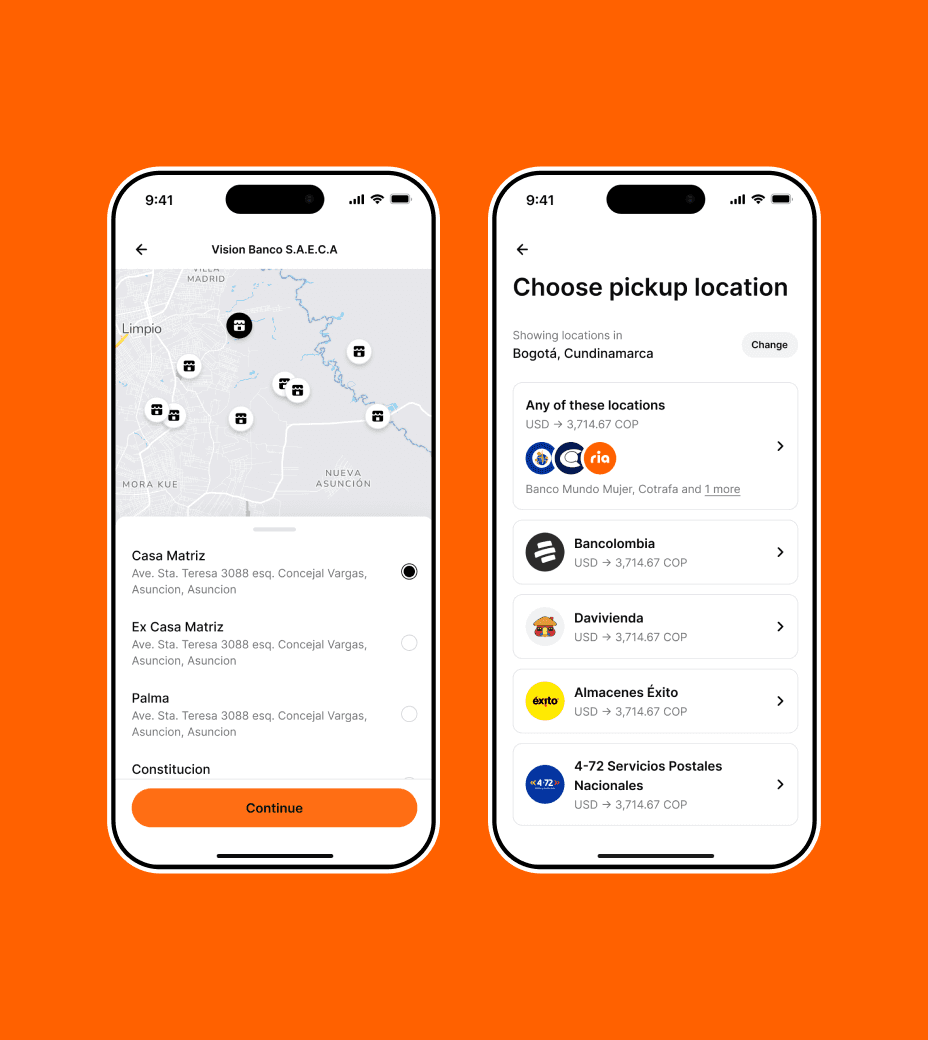

Ria Cash Pickup
May 2026 – Present
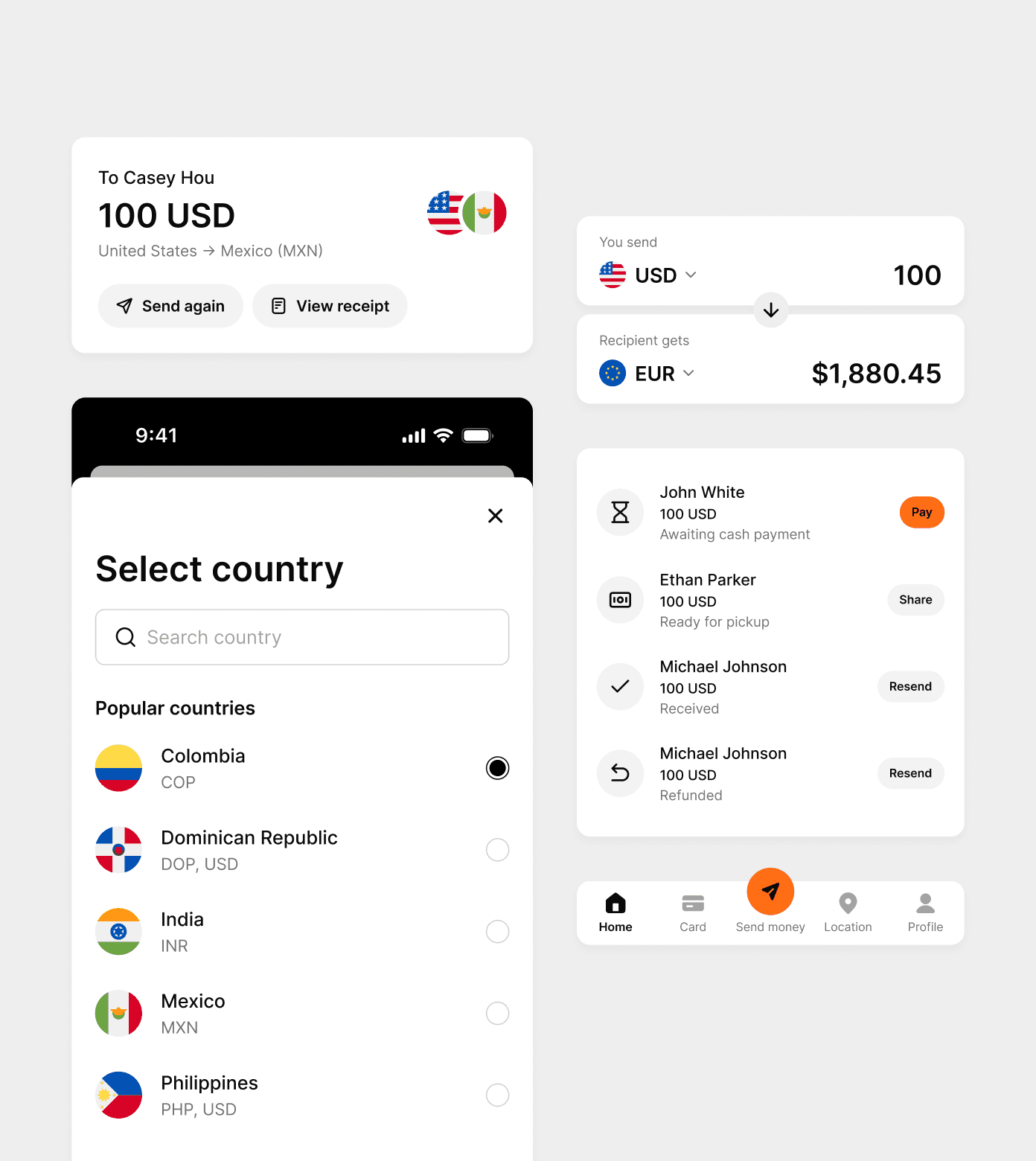
Cash pickup is one of Ria’s highest-impact money transfer services, serving millions of transactions, yet the experience hadn’t evolved alongside the business. I led research to uncover strategic opportunities, translated insights into product strategy, and guided the team through design and prototyping to support global expansion.
Currently building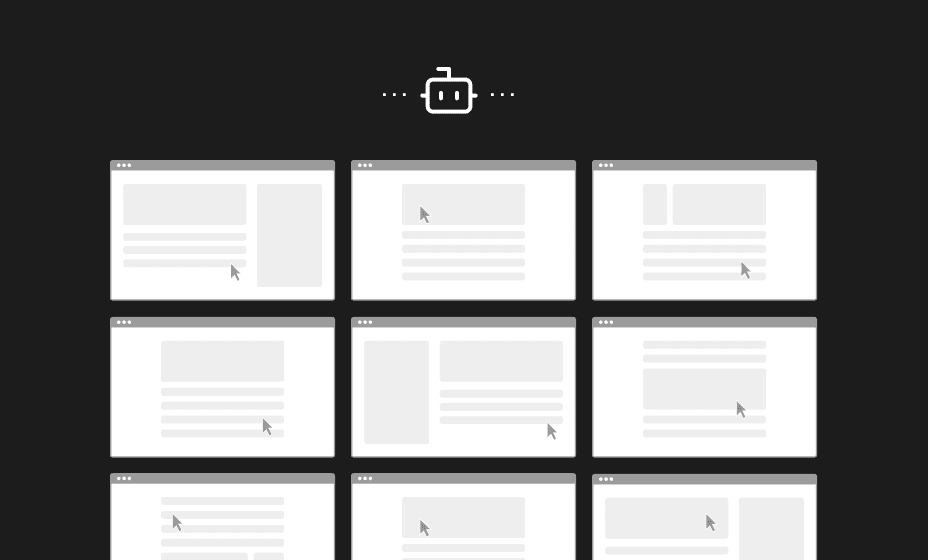
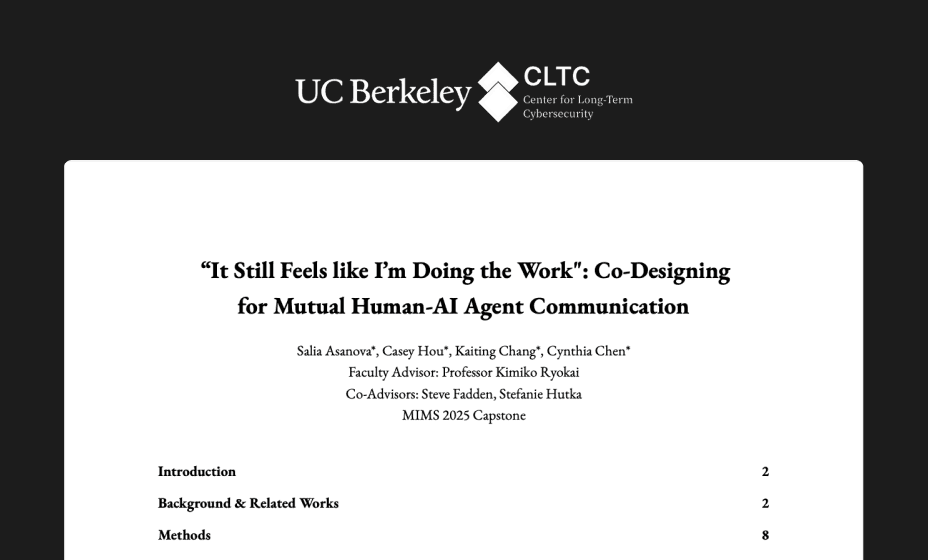
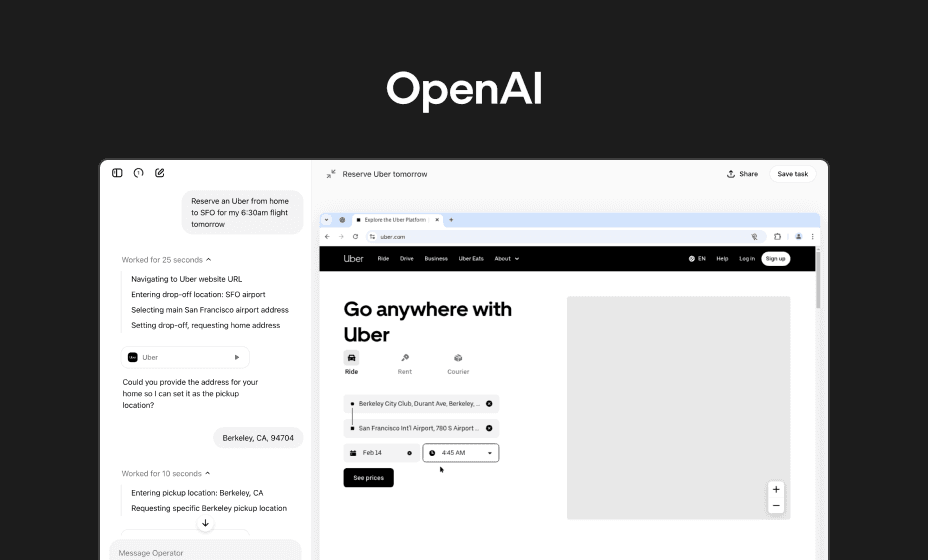
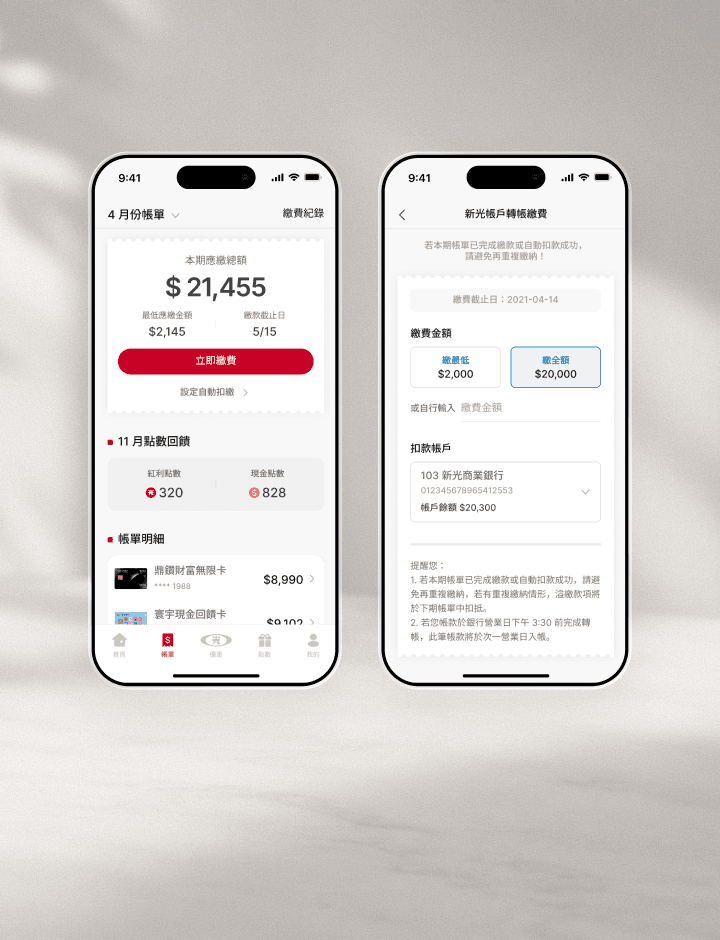
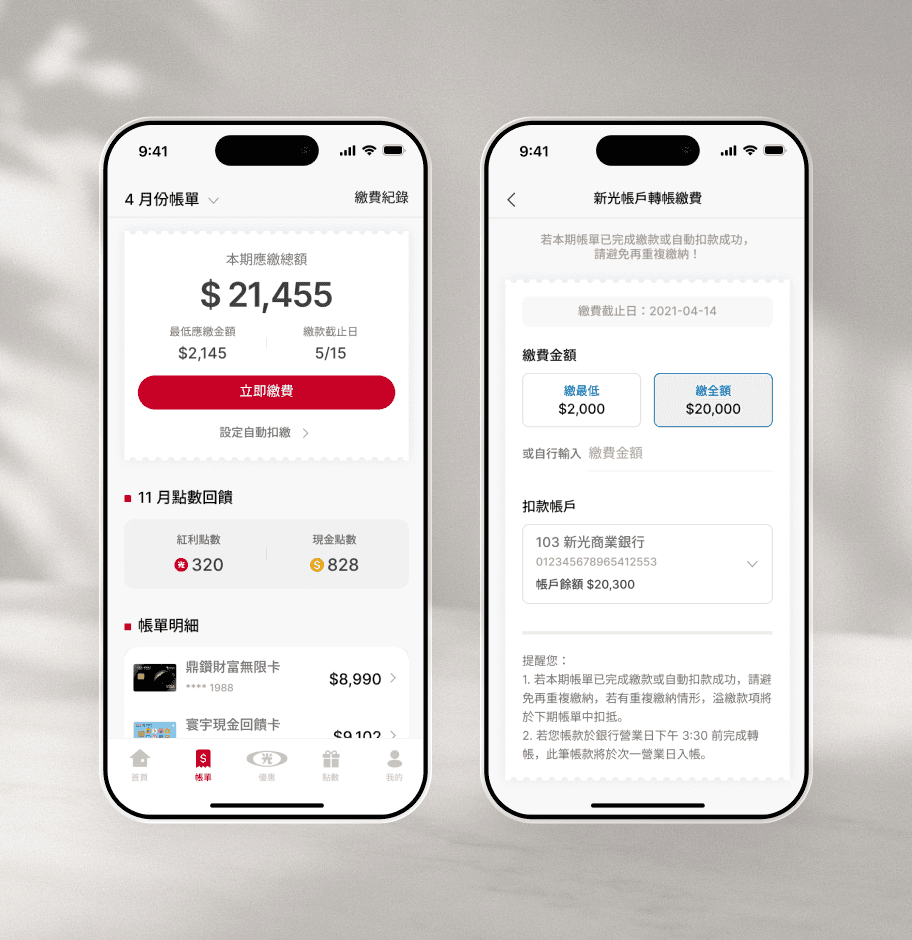
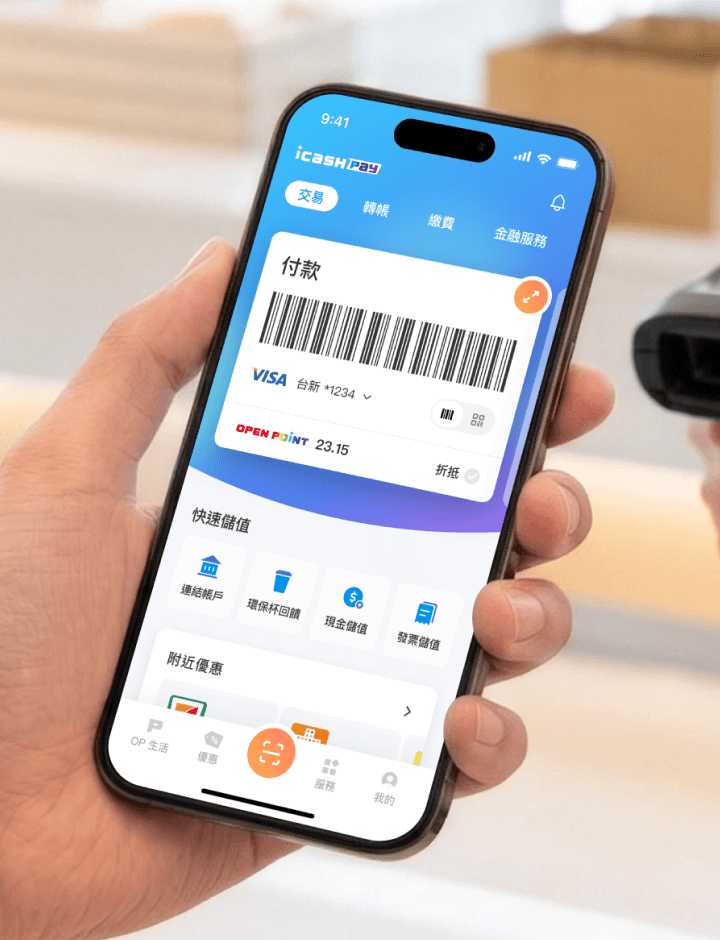
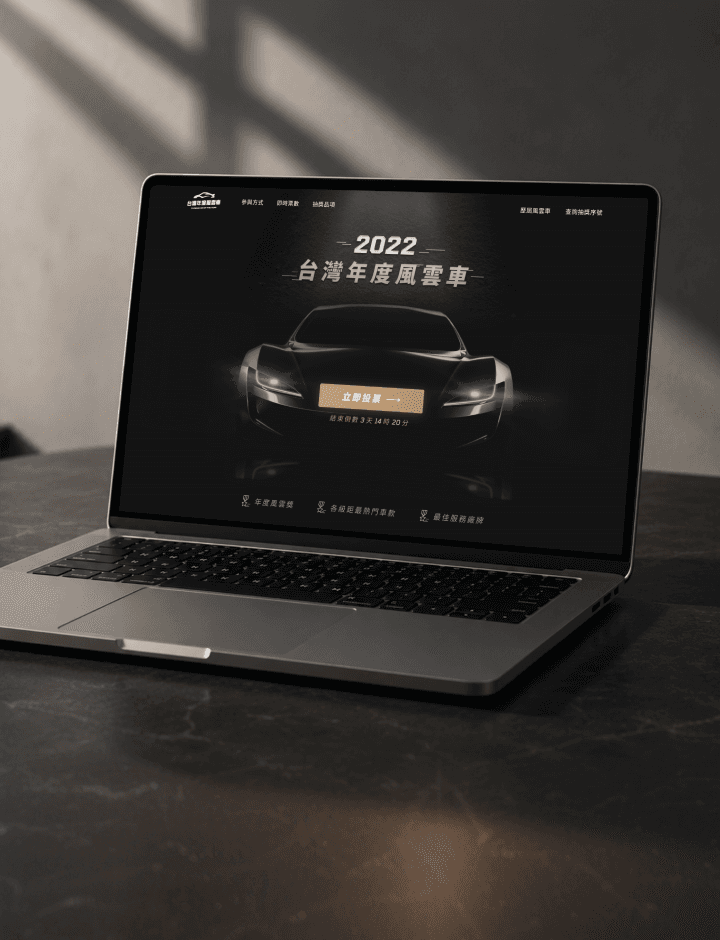
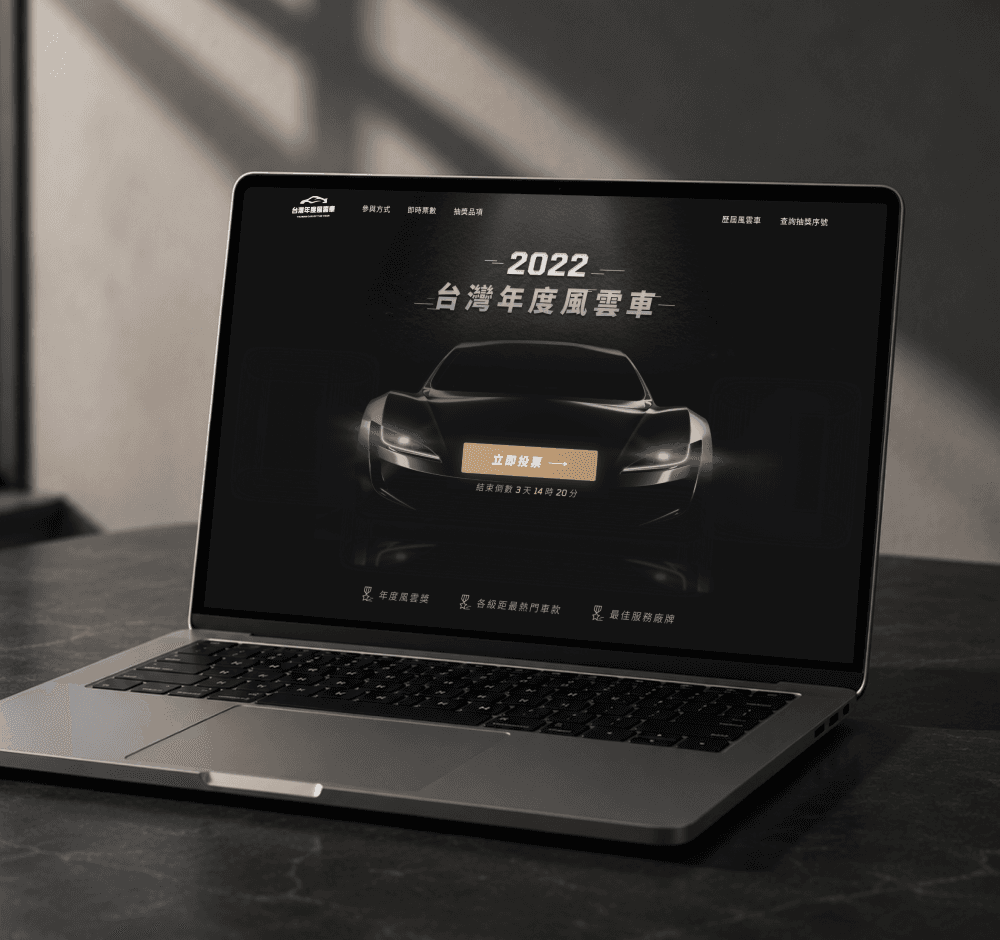
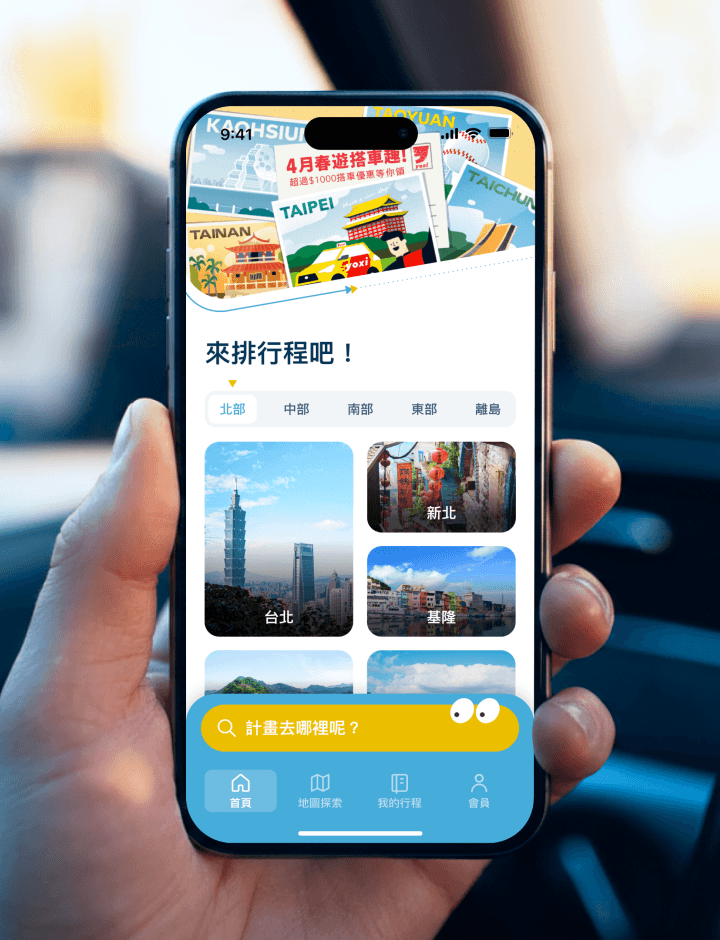
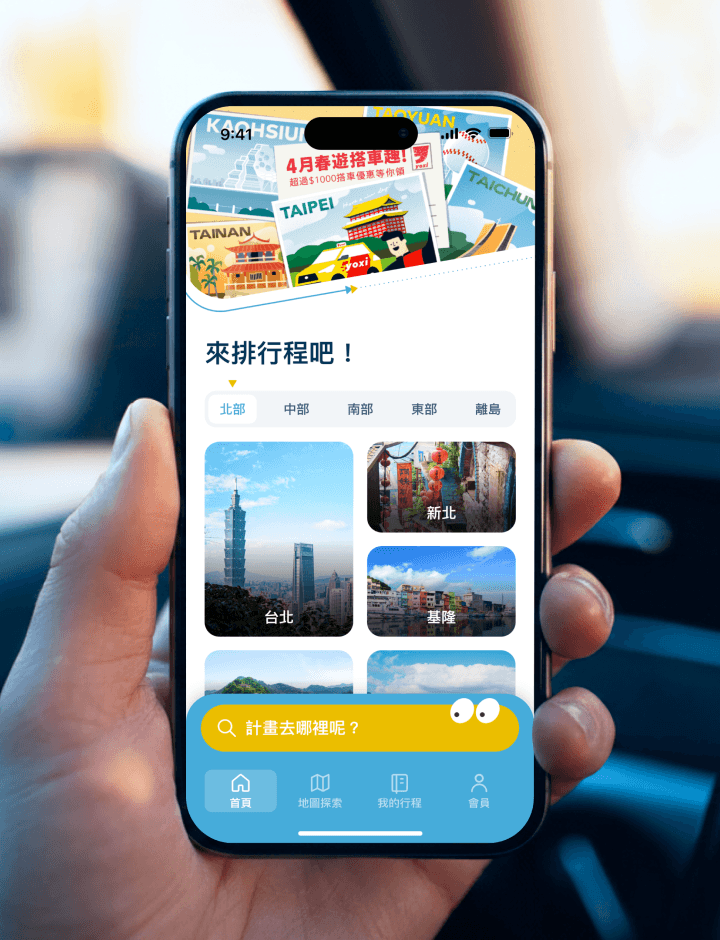
Before Ria, I shipped agency work across fintech, travel, and media.
Lately, I’ve been exploring AI and new ways of working.
Experimental projects
Moving through memory
A gesture-based interface where hand movement controls a cursor, revealing photos as it moves across the screen. The grid maps my life across Taiwan and the U.S., alone and with others. Navigating the interface feels like navigating memory!
New ways of working
Research
When I’m diagnosing problems, I pull funnel data and session recordings into Claude through MCPs, so I can cross-reference the two, helping me quickly figure out which signal matters and what to investigate next.
Tools: Claude, Notebook LLM, Amplitude (via MCP)
Pressure-Testing Logic
I start by mapping the core logic myself, then use Claude to stress-test it. I’ll ask it to challenge my assumptions or surface edge cases I haven’t considered. Once the logic feels solid, it also helps me quickly visualize the flow, so I can align with PMs and engineers early.
Tools: Claude, FigJam (via Claude)
Prototyping
I build key screens in Figma, then use Claude Code through Figma MCP to turn them into working prototypes. This shortens the loop between idea and validation. I can now build and feel how interactions actually behave on my phone, in a fraction of the time it used to take.
Tools: Claude Code, Cursor, Codex, Expo, Simulator
Testing
I iterate directly in code and submit PRs for review. This reduces back-and-forth between design and engineering, leading to higher implementation quality and more refined interaction details.
Tools: Claude Code, Cursor, GitHub